To look at a map of the Caribbean is to look at a beautiful, fragmented mosaic. We are a region of diverse languages, shared history, and breathtaking landscapes. But economically, we share another profound reality: we are small, open archipelagos deeply exposed to the shifting winds of the global marketplace.
As 2026 unfolds, those global winds are blowing exceptionally hard. With major global powers experiencing a sharp economic slowdown, high borrowing costs, and escalating geopolitical tensions, regional financial institutions like the Caribbean Development Bank (CDB) have issued a sobering reminder: our margin for policy error has narrowed to an absolute minimum.
When the global economy stalls, the impact across our islands is far from uniform. In fact, what we are seeing right now is a tale of two Caribbeans.
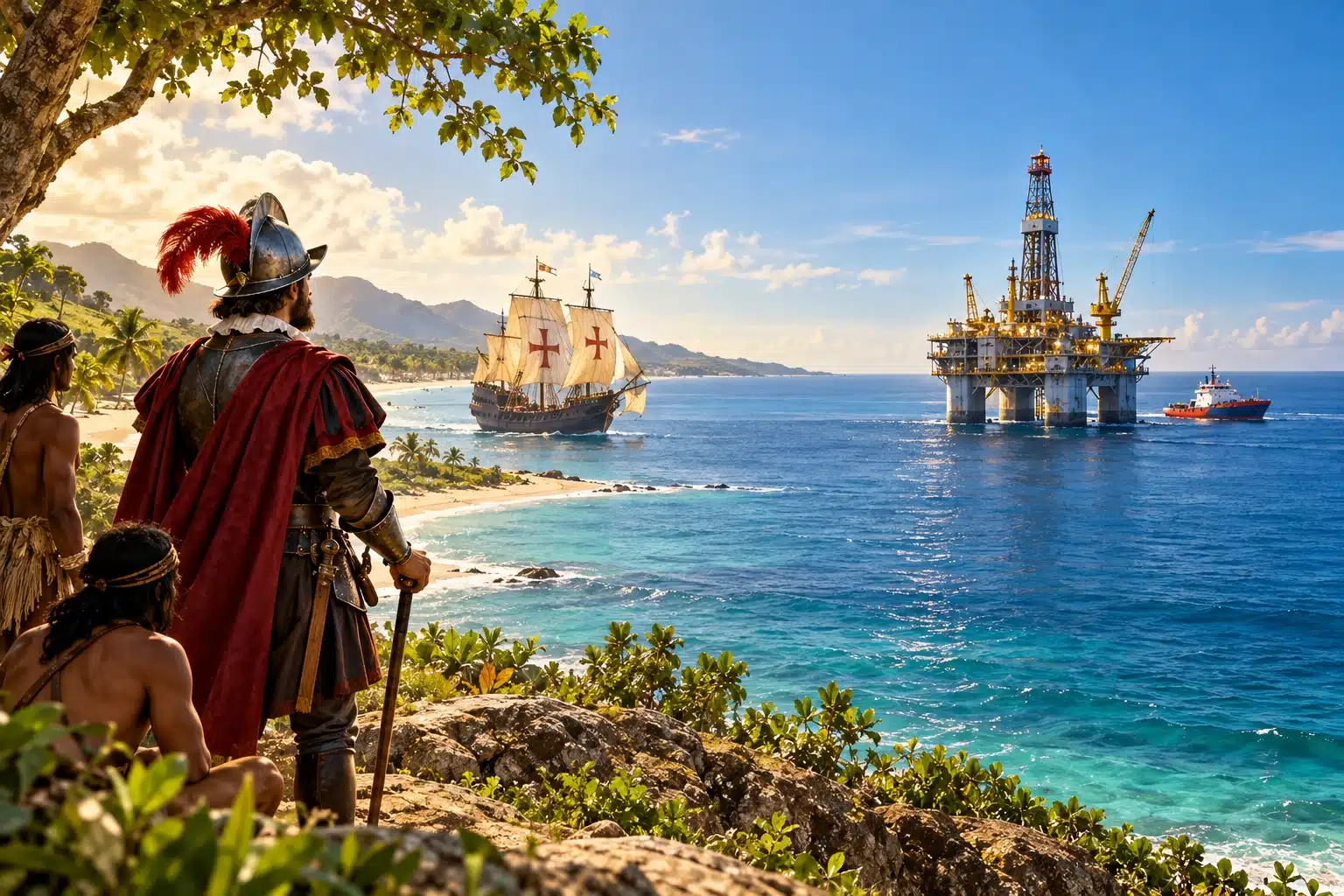
On one hand, you have the commodity exporters. Look at Guyana, which continues a historic expansion driven by its massive oil boom, or Suriname, pulling in steady energy investments. For them, the global slowdown feels cushioned by the earth’s resources.
On the other hand, the vast majority of the Caribbean relies entirely on service and tourism exports—and that is where the shoe pinches. As households in Europe and North America tighten their belts under inflation, tourism momentum across many islands has begun to ease. In places like Jamaica, this international freeze has been brutally compounded by nature, where consecutive climate events have forced local infrastructure into a painful defense.
The Regional Vulnerability: Excluding the massive statistical surge of oil-producing giants, the rest of the Caribbean is projected to grow at a deeply muted pace this year, weighed down by high external debt and expensive refinancing costs.
However, the regional outlook isn’t entirely grim, and neighboring success stories offer a blueprint for recovery. For instance, the Dominican Republic—the largest economy in the Caribbean—is already projecting a strong macroeconomic rebound of nearly 5% by 2027, according to its own Ministry of Economy data. This shows that highly diversified structures can weather the immediate storm and prepare for a rapid comeback.
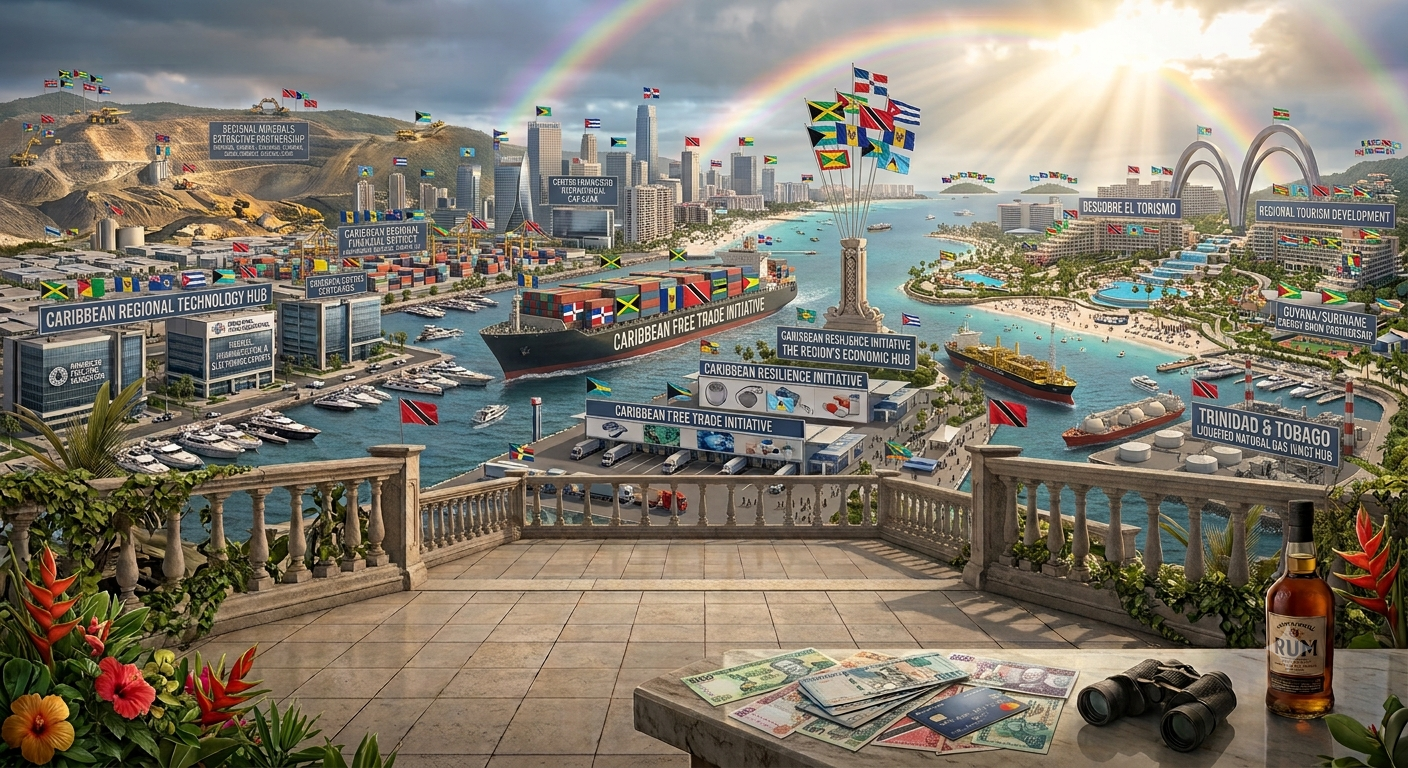
So, where does the wider Caribbean go from here? As the saying goes, “smooth seas do not make skillful sailors.” This global slowdown is a loud, clear wake-up call for regional solidarity and structural reinvention.
We can no longer afford to be islands that rely on a single industry, waiting passively for cruise ships and foreign flights. Building true Caribbean resilience means investing in our people’s technical skills, accelerating digital integration, and building climate-smart infrastructure by design. The waters ahead are undeniably choppy, but if our history has taught us anything, it’s that the Caribbean knows exactly how to navigate a storm.