
Every winter, millions of travelers engage in a familiar ritual. They open a laptop, scroll through high-definition images of turquoise waters and white sand beaches, and search for the definitive answer to a single question: Which Caribbean island is the best?
We are obsessed with rankings. We sort destinations from worst to best based on a fluid mix of resort luxury, beach quality, and safety metrics. But this competitive framework misses a fundamental truth. The structural issues plaguing many Caribbean destinations—from aggressive beach vendor shakedowns to fragile power grids—are not individual failures of character or culture. They are the predictable results of an economic model designed for corporate extraction rather than civic resilience.
To truly understand why some of the region’s most famous destinations struggle, we have to look past the resort gates and look through the lens of history.
The Architecture of a Modern Simulation
The Caribbean did not become a resort-heavy playground by accident. For centuries, the region’s primary economic function was colonial extraction—exporting raw wealth to foreign empires through the plantation system. When that colonial framework collapsed in the 20th century, newly independent nations were left with beautiful coastlines but severely underfunded public infrastructure and narrow economic options.
Tourism was hastily adopted as the new cash crop. It was a rapid economic pivot meant to bring in foreign currency quickly.
However, because these systems were built on old foundations, a familiar pattern re-emerged: wealth stayed inside fortified, foreign-owned enclaves, while the local public sectors continued to starve. The modern “brochure lie” is simply the latest chapter in a long history of viewing these islands purely for what can be extracted from them, rather than what can be built within them. When we rank an island poorly for its “uncomfortable visitor experience,” we are often simply measuring the depth of its historical underdevelopment.
Case Study: The Dominican Republic’s Parallel Worlds
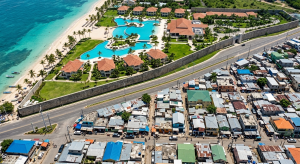
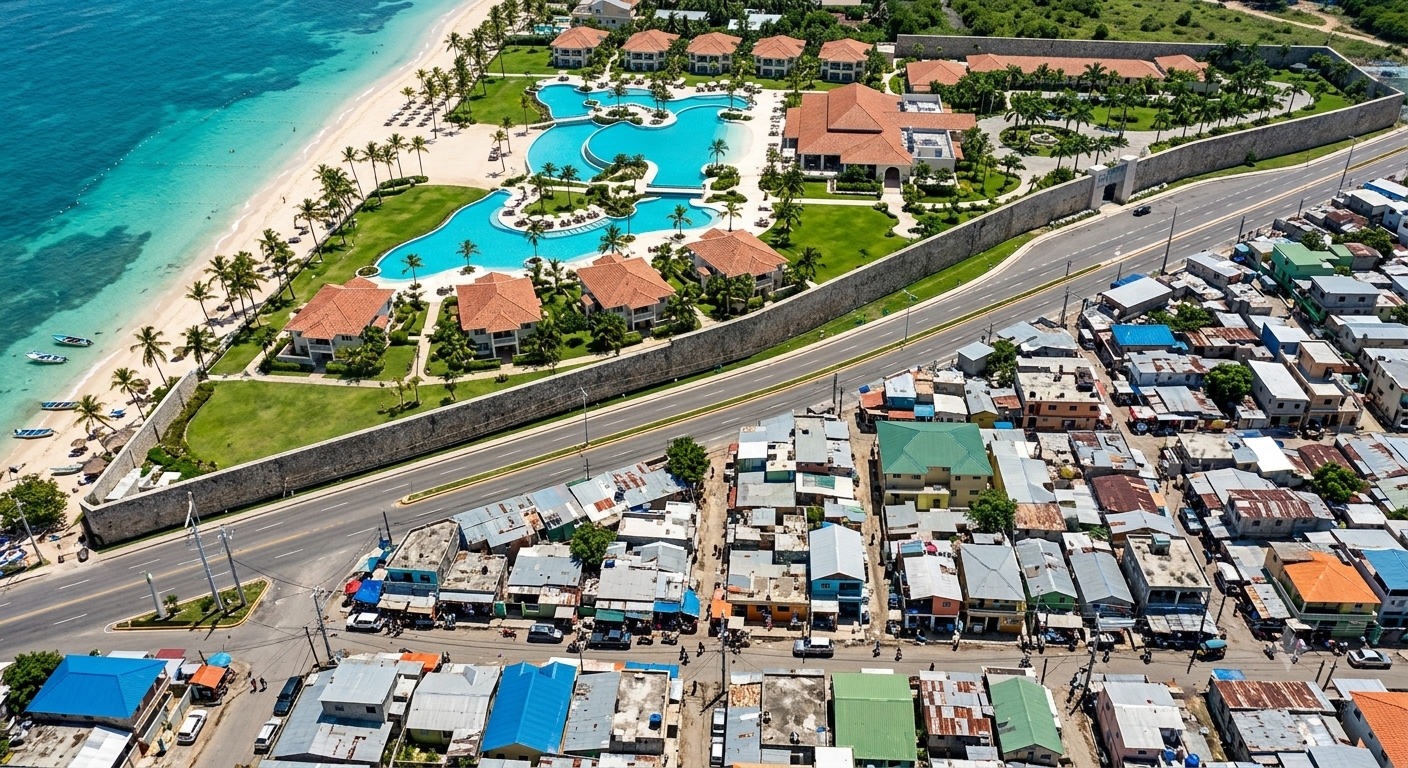
The Dominican Republic serves as a perfect case study for this structural duality. In mega-resort hubs like Punta Cana, international developers built self-contained, parallel cities. Within these gates, you find pristine private security, independent water filtration systems, and robust backup generators.
But just past the resort walls, local municipalities face a completely different reality: an unstable national power grid and compromised municipal waste management.
Consider the region’s recurring headlines regarding mass food-poisoning incidents at major resorts. These are rarely simple kitchen errors or issues with local hygiene. They are usually systemic infrastructure failures. When a fragile national grid suffers a localized power outage, it can compromise cold storage units. If a resort’s backup systems fail to kick in seamlessly, food safety is instantly compromised.
Furthermore, the aggressive beach vendors selling questionable excursions are not simply nuisances; they are an economic symptom. When the vast majority of all-inclusive tourism dollars flow directly back to foreign hotel conglomerates, local communities are left to fight for financial scraps on the sand. The Dominican Republic has incredible cultural depth—from the historic streets of Santo Domingo to its vibrant agricultural interior—but the mass-market model actively hides that richness behind a wall of manufactured uniformity.
A Blueprint for Structural Evolution
Improving these destinations requires shifting the focus from corporate convenience to civic resilience. The goal should be a transition from high-volume mass extraction to high-value, sovereign tourism that feeds the local economy.
Mass-Volume Extraction ──► Shared Wealth & Infrastructure ──► Sovereign Resilience
(Foreign-owned Enclaves)   (Localized Solar & Fixed Transit)  (High-Value Eco-Tourism)
To bridge the gap between polished marketing and raw reality, the regional blueprint must focus on four critical pillars:
- Decentralise the Baseline Utilities: Islands must transition from centralized fossil-fuel reliance to localized solar microgrids. When the public grid is stable, both the local school and the tourist hotel remain safe and functional, eliminating the food and water safety crises born from power interruptions.
- Formalise the Informal Economy: Instead of deploying heavy-handed security to chase vendors off public beaches, municipalities should build permanent, beautifully managed artisan markets. This integrates local entrepreneurs into the formal economy, giving them a dignified, regulated stake in tourism revenue while eliminating traveler harassment.
- Mandate Digital Transit Infrastructure: The friction of unmetered transport and aggressive airport taxi cartels can be corrected through basic governance. Enforcing transparent, app-based pricing metrics at all major ports of entry protects tourists from extortion and stabilizes income for local drivers.
- Reinvest in Heritage and Communities: Tourism tax revenues must be legally earmarked for public works in the communities directly surrounding resort zones. True luxury cannot exist in an economic vacuum; a travel destination is only as strong as the neighborhood outside its gates.
Beyond the Postcard
We do not need another list ranking paradise from worst to best. Rankings merely reward the wealthiest enclaves while punishing the islands left to deal with the messy realities of underdevelopment.
The path forward for the Caribbean lies in dismantling the illusion of the flawless postcard and investing in the ground-level infrastructure that protects both the traveler and the local citizen. True sustainability isn’t about making a resort feel more exclusive—it’s about making the nation hosting it more resilient.
📣 Call to Action: How You Can Help Change the Model
As a traveler, you hold immense economic power. If you want to see the Caribbean improve rather than just slide down a ranking list, you have to change how you spend your money.
- Venture Beyond the Gates: Break the cycle of foreign corporate extraction by consciously spending money outside your resort. Eat at locally owned restaurants, hire independent, licensed local guides, and buy directly from registered artisan markets.
- Support Footprint-First Islands: Choose destinations that actively prioritize municipal environmental protection over massive real estate development. Your booking choices tell developers that preserved coral reefs and intact natural history are more profitable than concrete high-rises.
- Demand Structural Integrity: Look for hotels that partner transparently with local agricultural networks and utilize sustainable, decentralized energy grids.
True luxury is a resilient community, and true travel sustainability begins when we treat our destinations as real nations instead of temporary theme parks.