
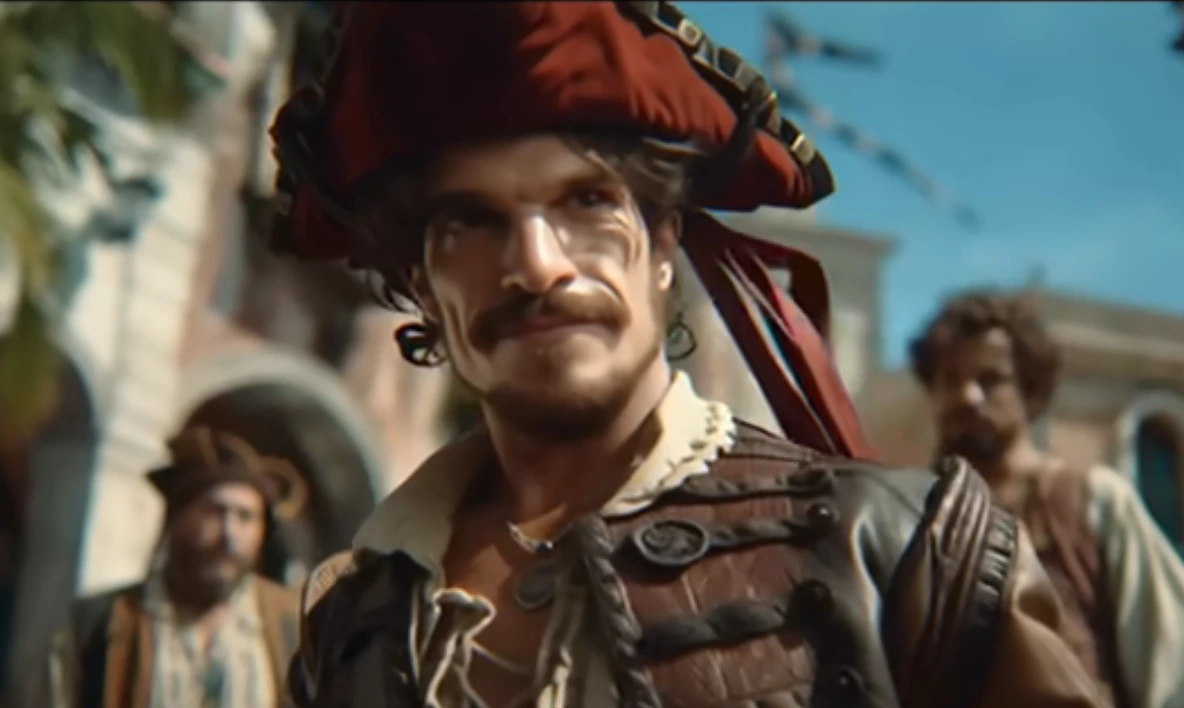
Based on Alec Corday’s video: Where Is the Treasure of the Pirate Cofresí? | Theories, Clues and Legends of the Last Pirate of the Caribbean
If you go to the shores of Cabo Rojo or the caves of Mona Island with a shovel and a metal detector, you are wasting your time miserably. Roberto Cofresí’s treasure is not buried in an earthen jar beneath the sand. His true wealth was something else, and to understand it, we must brush the dust off the myth and look at the real man.
To understand this character’s fortitude, we must first look at his roots. Roberto did not come from nowhere; he carried the blood of an exile in his veins. His father, Franz von Kupfersheim —whose surname evolved into the Creole Cofrecí through the influence of the local accent— was a young man from an Austro-German family, born in Trieste, who had to cross the Atlantic after fleeing a sword duel on a foggy night in the Adriatic. From that Germanic lineage of stubborn and impulsive men, Roberto inherited his fair complexion, blue eyes and that closed-off character that knew no submission to anyone.
In Puerto Rico, Cofresí is neither a footnote nor a tourism invention: he is a national symbol, the young man who fused the stubbornness of his German origins with the rebelliousness of the Caribbean, choosing a short life rather than bowing his head before the Spanish Crown.

Picture the scene of his end. San Juan, March 1825. Thirty-three years old, his body battered by combat, and before him, a firing squad at El Morro Castle. That was when he showed what he was made of: he refused the blindfold and faced the weapons with his eyes uncovered. Then he uttered the cry that has crossed the centuries: four thousand pieces of eight in exchange for his life. Did he have that money hidden in a cave on Mona Island or along the shores of Guayama? Perhaps he did, perhaps he did not. But at that moment he was not calculating a commercial balance; he was defying his judges to their faces, proving that the stubbornness in his blood would not break, even before death.
The colonial authorities turned his house upside down, searched his lands and combed the beaches for the booty. They found nothing. And they found nothing because Cofresí’s wealth was never measured in metal hoards.
In the nineteenth-century Caribbean, dominated by the Spanish monopoly and the pressure of naval powers, the law was not designed to protect the people but to suffocate them. Trading was nearly impossible if you did not have a distinguished surname or a governor’s favour. On that unjust playing field, Cofresí appeared as a way out. Aboard the Ana or El Mosquito, sailing a fast yola against the current, Roberto was not trying to amass fortunes so he could retire in Europe. What he seized, he distributed.
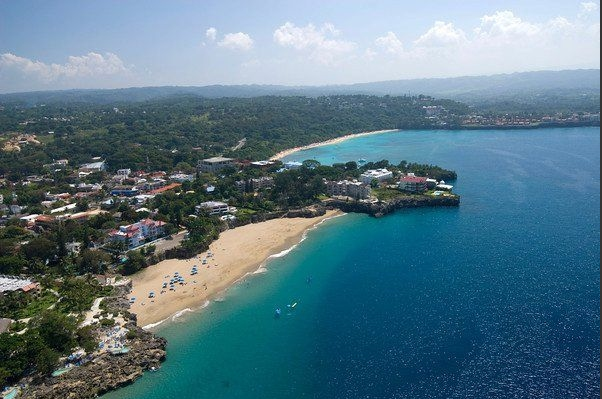
The nickname “Robin Hood of the Caribbean” was not invented by a historian in an office. He earned it in the coastal communities of Cabo Rojo, Aguada and Mayagüez, where entire families ate and dressed thanks to what Cofresí took from the colonial blockade. To the Spanish authorities he was a fearsome privateer; to ordinary people, a protector.
Did he live from day to day? Of course he did. He did not store gold bars in a bank; he spent the booty supplying his people, paying for the silence of those who protected him and celebrating freedom in every port he visited. If today we attribute to him everything from the legend of the hiding place at Punta Guaniquilla to the original invention of the rum, coconut and pineapple elixir used to rally his crew, it is because the Puerto Rican people needed to keep alive the memory of the man who refused to be tamed.
Now, let us be realistic. Accepting Cofresí’s greatness as a historical figure does not mean swallowing the metal-detector fantasy. Going to the beach with a shovel to search for chests filled with doubloons is a waste of time. Pirate treasures —if any survived— were swallowed by the tide, spent on the revelry of the era or ultimately turned into the daily bread of the humble people who protected him two centuries ago.
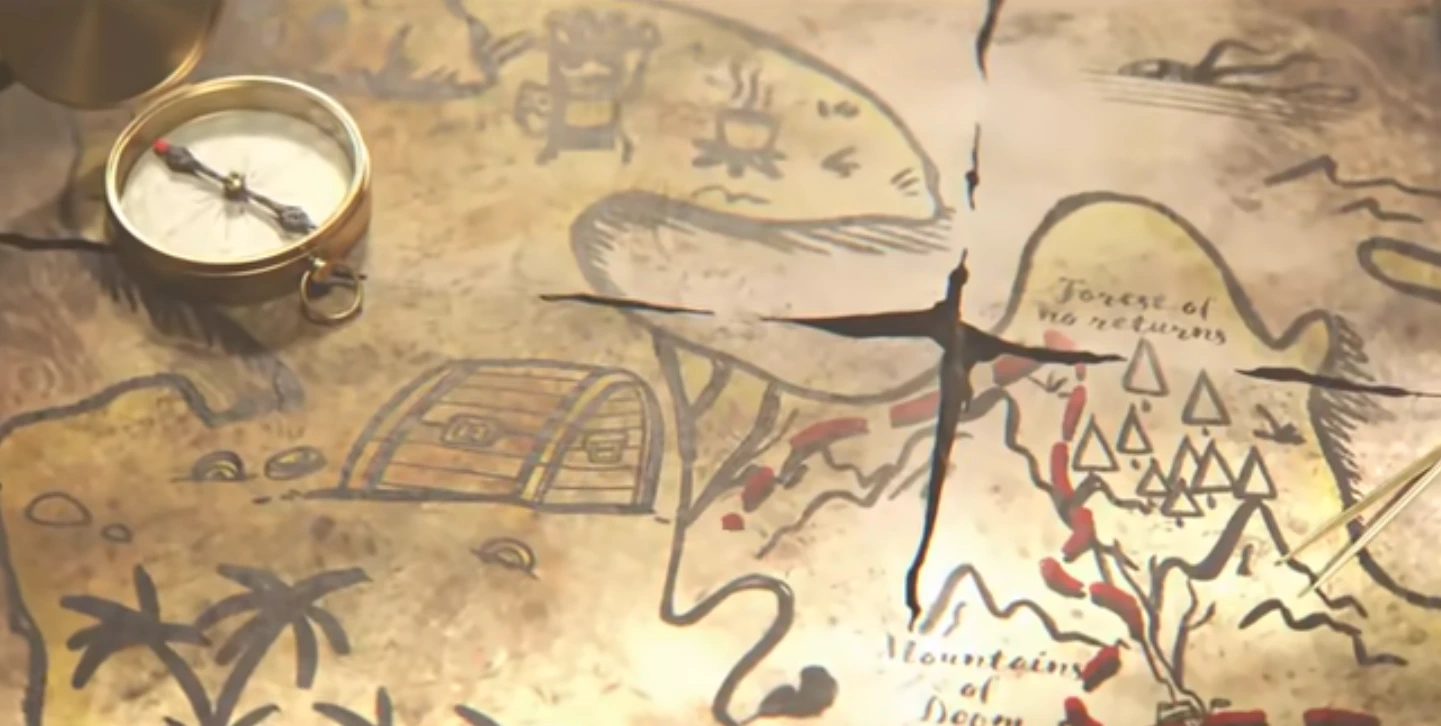
The mistake is looking for gold where what exists is memory. Roberto Cofresí did not leave behind a map with a red X drawn on parchment; he left a lesson in rebellion that continues to resonate throughout the Caribbean. Anyone who travels to Mona, Cabo Rojo or the shores of Samaná expecting to find a silver chest will be disappointed. But whoever goes to listen to the sea and understand why an entire people chose to turn a fugitive into its hero rather than worship the governors of the empire—that person will find exactly what they were looking for.
He died young and without a penny in his pocket, but he achieved something no empire could buy from him: the respect of his island and an indelible place in the memory of the Caribbean.