
If you ask anyone outside the Dominican Republic to imagine a piece of amber, the first thing that will come to mind is Baltic amber. They will picture warm honey-coloured beads, jewellery in European antique shops or fragments washed up on northern beaches after a storm. For centuries, the Baltic region has essentially owned the trademark on fossilised resin.

But speak to palaeontologists or high-end gemstone collectors and they will tell you a very different story. They will point you towards the rugged mountain ranges of the Dominican Republic.
Dominican amber is, objectively, extraordinary. It is naturally as transparent as glass, contains ten times more prehistoric insects and plants than European amber and, to top it all, some pieces glow electric blue in sunlight. So why does it remain in the Baltic’s shadow?
It all comes down to a 5,000-year head start, a huge difference in the way it is mined and a simple historical accident.
A 5,000-year head start
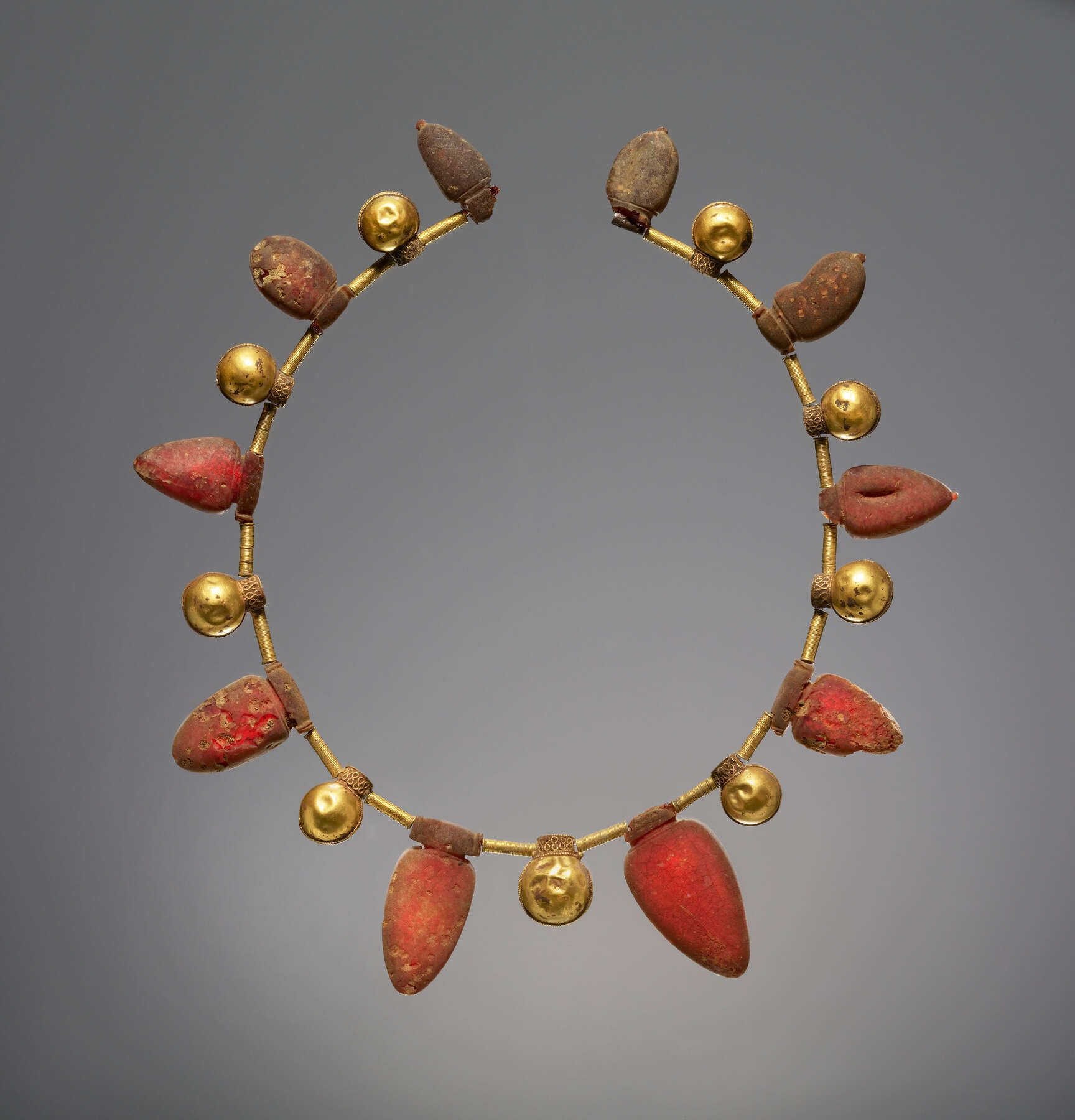
The Baltic region reached the market first by several millennia. As early as the Stone Age, people were collecting amber on the northern coasts. It was prized in Greece. By the time Rome dominated the Mediterranean, there was a genuine “Amber Road”: a vast trade network transporting tonnes of the material southwards. Roman elites went wild for it. Pliny the Elder even complained that a small amber figurine cost more than a healthy enslaved person. It had been industrialised, woven into European royalty and mythologised before the rest of the world even knew the Caribbean existed.
Hispaniola’s amber took a very different path. The Taíno knew about it, of course. They carved some amulets and sometimes burned it as fuel because it catches fire easily. But they had no vast continental market in which to sell it.
When Christopher Columbus landed in 1492, a local cacique gave him a pair of shoes decorated with amber beads. Columbus gave him a necklace of red glass beads in return. But the Spanish Crown had no interest in fossilised resin; it wanted gold and silver. Since amber could not be melted down into coins to finance wars, Spain ignored it. The tropical forest swallowed the mines and the world forgot about them for five hundred years.
Industrial excavators versus hand-dug tunnels
The material was not rediscovered until the 1950s, when a doctor called Jorge Caraman noticed that his rural patients had these incredibly clear and colourful stones. He realised what they were and tried to develop an export market.
But Dominican amber ran into a physical brick wall: geography.
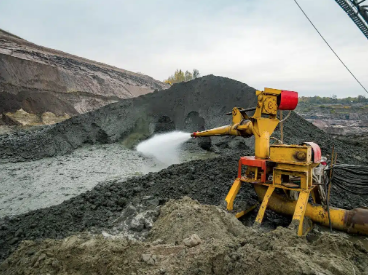
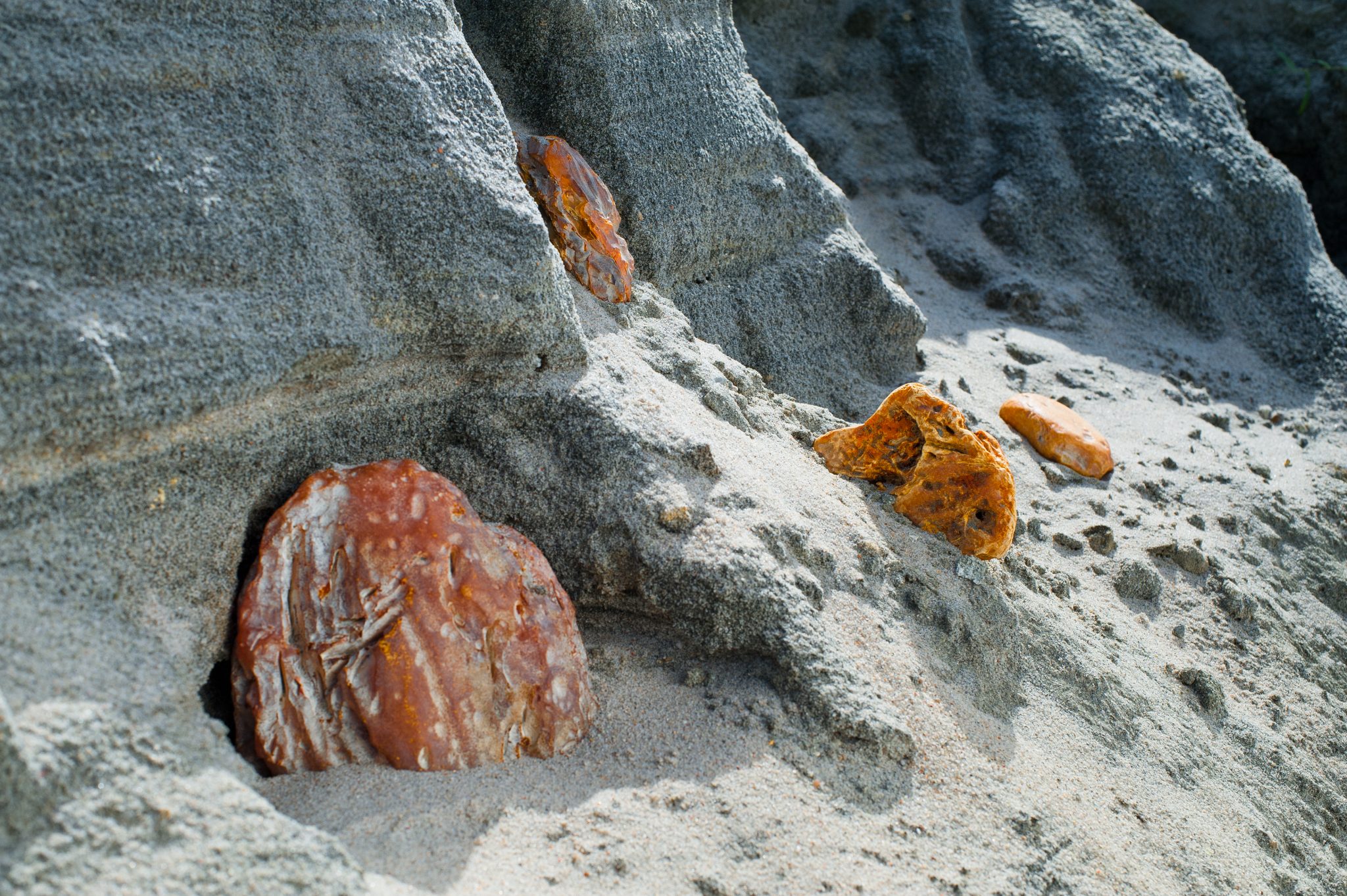


Baltic amber is remarkably easy to extract. Most of it comes from huge open-cast mines in places such as Kaliningrad. Enormous mechanical excavators remove a layer of soft sediment called “blue earth”, wash it with high-pressure water cannons and separate thousands of pounds of amber every day. It is an industrial production line.
Dominican amber is a completely different story. It is trapped inside steep sandstone walls, high up in places such as the Cordillera Septentrional or El Valle. It is impossible to get heavy machinery up there.

Instead, everything depends on local miners, who dig narrow horizontal tunnels by hand into the mountain slopes. They crawl inside with picks, shovels and candles. When the tropical rainy season arrives, extraction stops completely for months because of landslides. The Dominican Republic’s entire production is only a drop in the ocean compared with the Baltic machine.
Why science prefers the Caribbean
Although the Baltic won the marketing war, the Dominican Republic wins on pure quality.
Baltic amber comes from ancient pine trees. It has high levels of succinic acid, which creates millions of microscopic air bubbles inside the stone. That is why Baltic amber is often cloudy or milky, and why factories normally have to bake it in high-pressure autoclaves to clarify it before using it in jewellery.
Dominican amber comes from an extinct tropical legume tree related to the modern algarrobo (Hymenaea protera). It contains almost no succinic acid, meaning it emerges from the ground clean and transparent as crystal.

Because it fell in a humid, dense tropical forest rather than a northern pine forest, the variety of life it captured is extraordinary. Instead of simple common mosquitoes, Dominican amber preserves entire ancient ecosystems. You find perfectly preserved tropical ants, stingless bees, camouflaged spiders and incredibly rare vertebrates, such as anole lizards and even intact tree frogs. Under a microscope, the muscle tissue of insects and the cellular lines of leaves from 20 million years ago can still be seen.
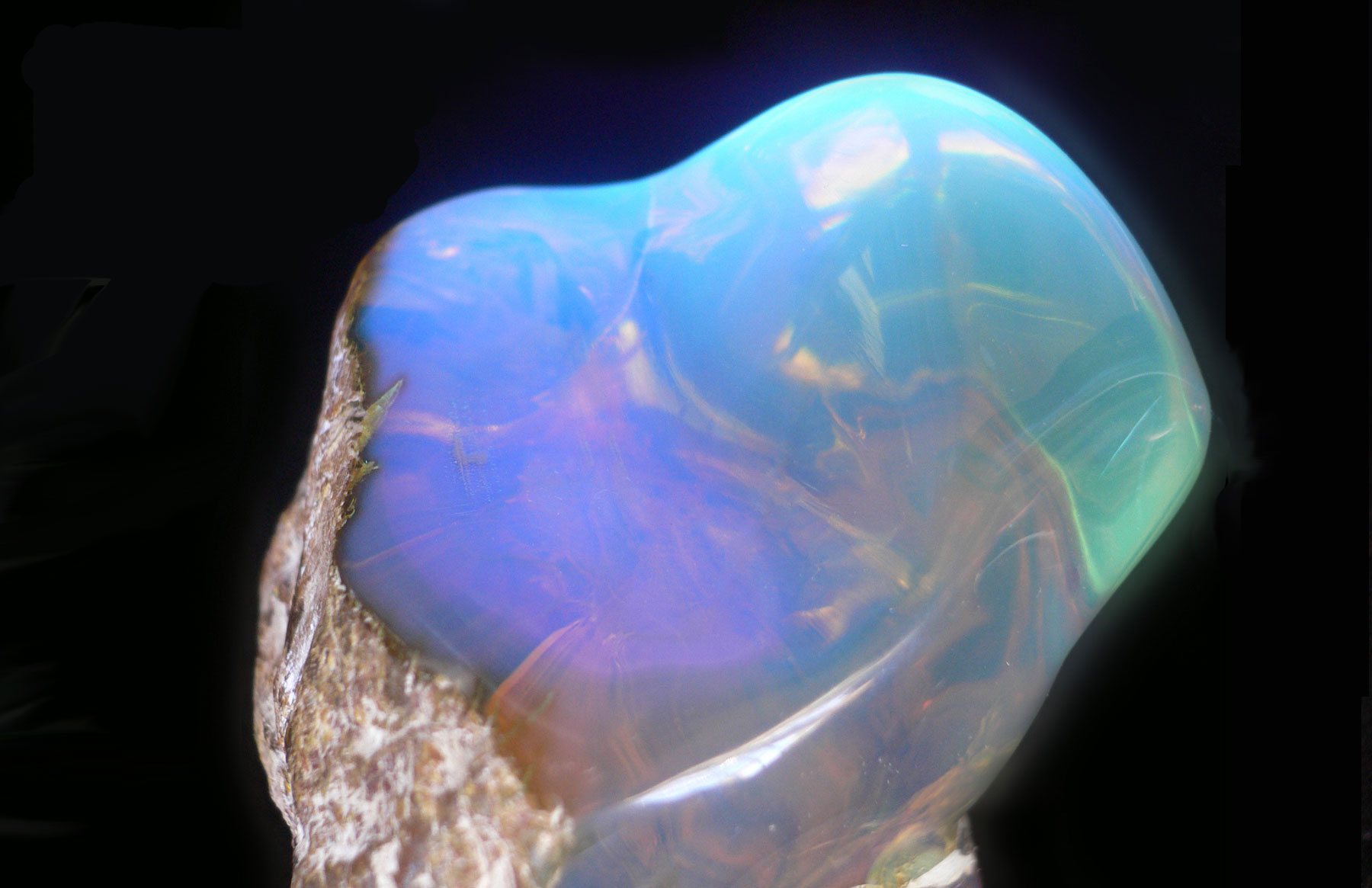
The blue amber phenomenon
And then there is blue amber. Baltic amber almost always remains within the yellow and orange range. But a few specific veins in the Dominican mountains produce a resin that does something spectacular.
Inside a house, it looks like ordinary amber, with a warm honey colour. But when it is brought into sunlight, the surface glows a vibrant electric blue. It is not a chemical pigment; these are natural hydrocarbons trapped in the stone that react to ultraviolet light. It is an extremely rare phenomenon, highly prized by collectors and something that natural Baltic amber simply cannot replicate.