
Rhythms and Drums with a Soul of Their Own
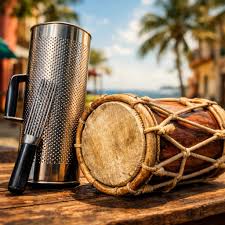
Dominican music has an infectious pulse that moves the body almost instinctively. That heartbeat comes from African drums, whose polyrhythmic patterns from West and Central Africa adapted and took root in our land. Merengue, for example, pulses with overflowing energy, with the tambora setting the central pace for the feet, while the güira adds that distinctly Dominican metallic contrast. Bachata, meanwhile, although melancholic in its guitars that sing of heartbreak, maintains a percussive foundation that evokes the same rhythmic memory in neighborhood dances and dance halls.
Call-and-Response Songs
Another living legacy is the call-and-response style, a structure very common in African musical traditions. In rural salves and in palo atabales performances, a leader guides the singing and the community responds in unison. More than a musical device, it is a social and spiritual act that strengthens the sense of unity. The same atabales—wooden drums built in a manner similar to those of Central Africa—resound in rituals and festivities with a deep, sacred and communal sound.
Dance That Speaks Without Words
Movements That Tell Stories of Resistance
Dance in the Dominican Republic is pure storytelling; it speaks of daily life, joy and the resistance of our people. The movements involve the entire body with a clear intention: the ground seems to call the feet, inviting them to mark the beat with force. Merengue’s rapid turns and bodily dissociation—where the shoulders, chest and feet seem to dance different but coordinated rhythms—are a direct reflection of the dances our ancestors brought with them. At its essence, dancing is memory in motion.
Carnival and the Ritual of Identity
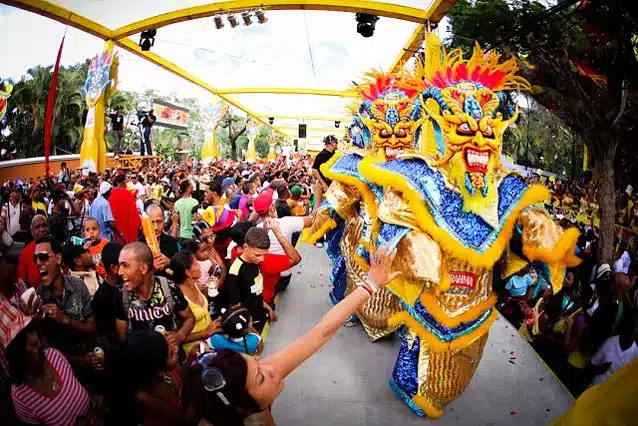
In popular celebrations, dance is the central axis. During La Vega Carnival, for example, colorful costumes and masks—whose expressions and forms are inspired by African traditions adapted to the Caribbean—come to life to the beat of the drums. It is not merely a visual spectacle, but a collective ritual where the community comes together, celebrates its history and proudly honors its roots.
Religion: Where the Spirit Manifests Itself
Palos and Expressions of Faith
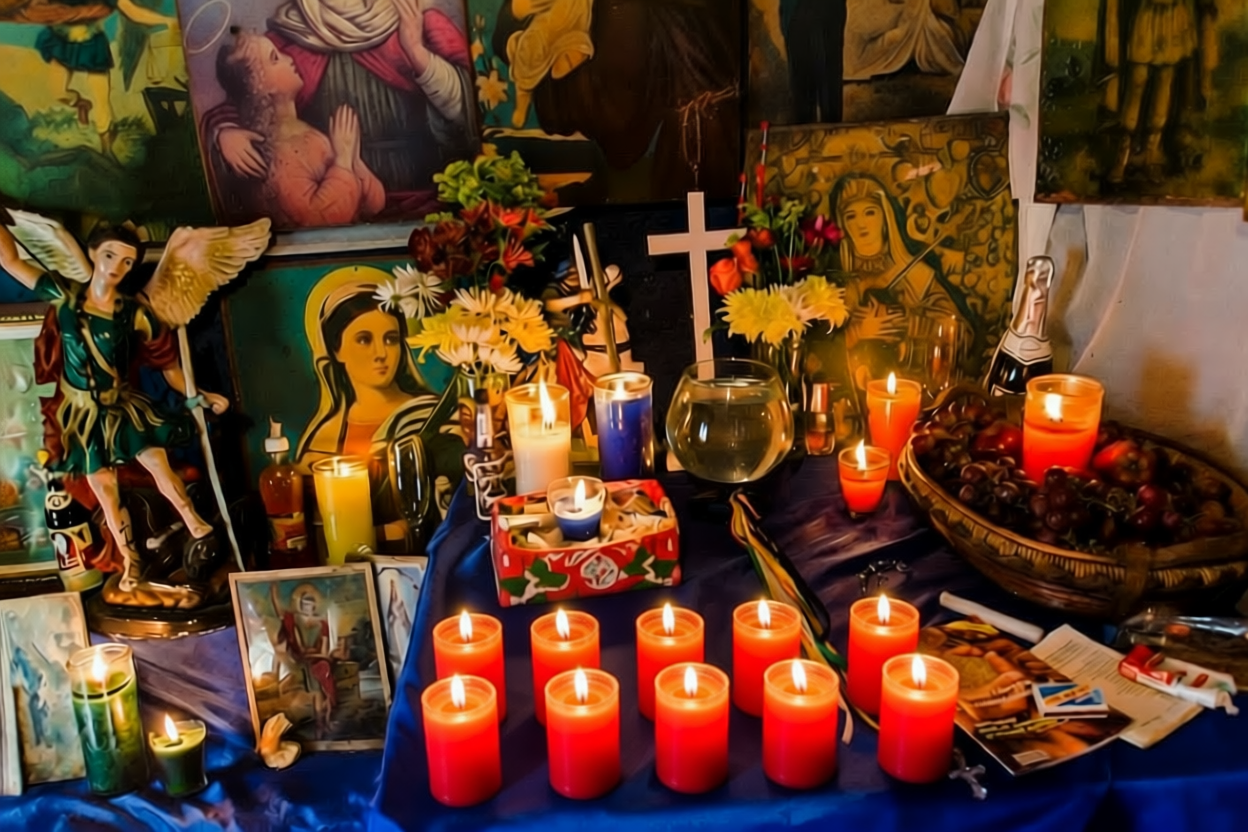
Dominican religiosity is a complex tapestry in which diverse expressions of faith coexist. Although Catholicism is the majority religion, spiritual practices of African origin remain active and notably strong. Palo or atabales celebrations represent one of the purest expressions of this syncretism. In them, songs and the sound of sacred wood seek to connect the present with the ancestors, creating a space of collective catharsis and devotion.
The palo tradition has various regional forms, popularly grouped around the so-called 21 Divisions. Each has its own songs and particular styles, but all share a profound respect for ancestors and the use of the drum as a spiritual channel. In these altars and festivities, faith is lived collectively and syncretically, linking Catholic saints with mysteries and deities of African origin and demonstrating our people’s enormous capacity to reinterpret and preserve their spirituality.
Race and Identity: A Complex Map
The Nuances of Our Skin
Speaking about race in the Dominican Republic means entering terrain filled with nuances that go far beyond rigid categories of white or Black. Everyday language is full of terms such as indio, moreno, trigueño and claro, expressions that attempt to describe an extremely diverse mixed heritage. This perception of identity is often fluid and varies according to social, geographic or family context, directly influencing everyday interactions.
History, Borders and Self-Recognition
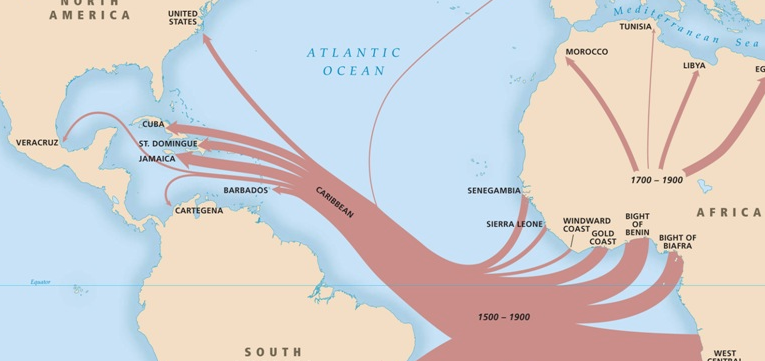
This racial complexity dates back to the colonial era, when the Spanish Crown introduced African labor to an island where the original Taíno population was declining drastically because of exploitation. Added to this are the historical and political dynamics with Haiti, our island neighbor, which have generated tensions that often affect the way Dominicans assume their own Blackness. Recognizing the weight of discrimination and inherited prejudices is an essential step toward understanding our current reality and moving toward a more inclusive society.
Fortunately, the outlook is changing. In recent years, new generations of artists, researchers and activists have opened essential debates to make Afro-descendant roots visible and embrace them with pride, bringing them to museums, literature and festivals that celebrate our diversity without complexes.
The Cultural Triad: African, Spanish and Taíno
The Mixed Heritage That Defines Us
Dominican identity does not rest on a single pillar; it is the result of a trinitarian fusion. We are the meeting point of Africa, Spain and the Taíno world. This mixture is evident in daily life: in a single dish of food, in the structure of our language or in merengue, where the African tambora, the European accordion and the güira—which evokes Indigenous scrapers—coexist.
The European Imprint and the Taíno Whisper
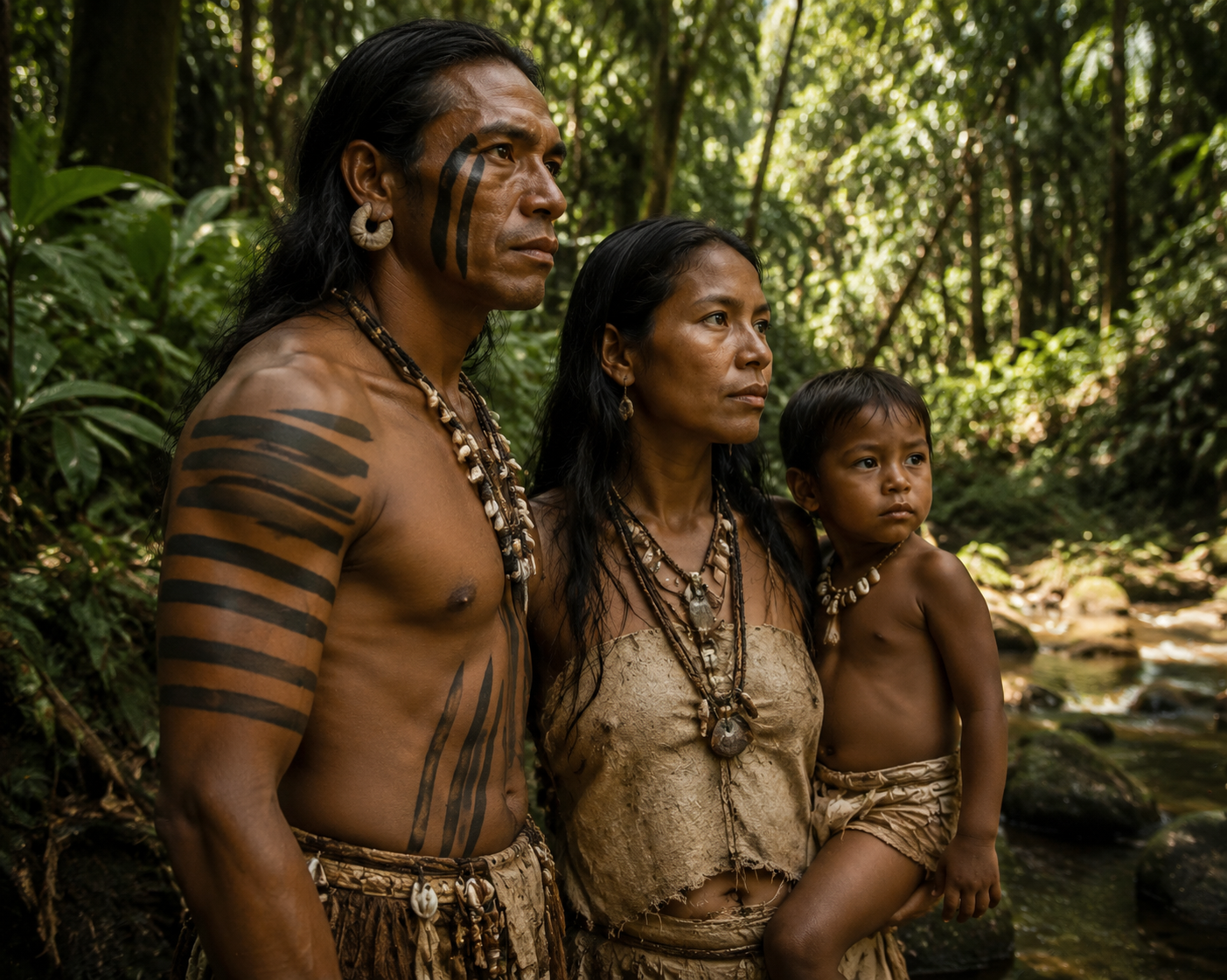
Spanish influence is evident in the official language, colonial institutions and predominant Catholic faith, as well as in the architecture of historic centers in our cities. For their part, the legacy of the island’s first inhabitants, the Taínos, remains alive in the place names of our countryside and rivers and in words we use naturally every day, such as hamaca, canoa, barbacoa and tabaco. Recognizing the presence of these three forces gives us a complete and honest view of our history.
How This Heritage Is Experienced Today
New Platforms and Urban Fusions
Today, traditions do not belong solely to rural settings. Social media, radio and platforms such as YouTube have allowed folkloric rhythms to travel and be preserved in digital formats. In addition, young musicians are creating innovative fusions, mixing the pulse of atabales or typical merengue with urban genres, hip-hop and electronic music. These proposals not only globalize our sound, but also keep the Dominican essence alive on and beyond the island, resonating strongly throughout the diaspora.
The Pride of Our Festivities
Events such as the Palo Festival in Santiago and carnivals in various provinces demonstrate that our culture is a living body. When musicians play with passion and the public joins in song, barriers dissolve and the social fabric grows stronger. These celebrations are spaces of cultural resistance where tradition is passed from generation to generation spontaneously and joyfully.
Music, Dance and Faith: A Single Body
In the Dominican Republic, it is difficult to separate rhythm from spirituality or movement from devotion; music, dance and faith operate as a single organism. This is expressed in patron-saint celebrations, weekend family gatherings and the everyday expressions of neighborhoods. Our culture is not a static museum piece: it is blood, latent memory and daily life.
Understanding and honoring these three roots invites us to reflect on who we are and how we want to build our future. Each community and individual lives and embraces these legacies according to their own beliefs and sensibilities, whether by rescuing folklore, transforming rhythms or respectfully preserving family traditions. What truly matters is recognizing the journey that brought us here, keeping the conversation about our identity alive through mutual respect and pride in what is ours.