Have you ever felt a song embrace your soul? That is exactly what the bolero does. This musical genre is pure feeling transformed into melody. Although many people immediately think of Cuba or Mexico when boleros are mentioned, the Dominican Republic has a brilliant story to tell. On this beautiful Caribbean island, love and heartbreak found a unique way to sound.
So today, we are going to take an unforgettable journey through time. We want to discover the musical geniuses and immortal voices that changed music forever. I promise it will be a light, exciting, and deeply human read. So get yourself a good cup of coffee, make yourself comfortable, and let the magic of our golden era carry you away.
Generally speaking, when people think of music from the Dominican Republic, the first things that come to mind are cheerful merengue or bittersweet bachata. However, bolero was the silent teacher of all those rhythms. Beginning in the early twentieth century, the island’s musicians began adopting this Caribbean genre. But they did not simply copy it; they added a special touch of elegance and local flavor.
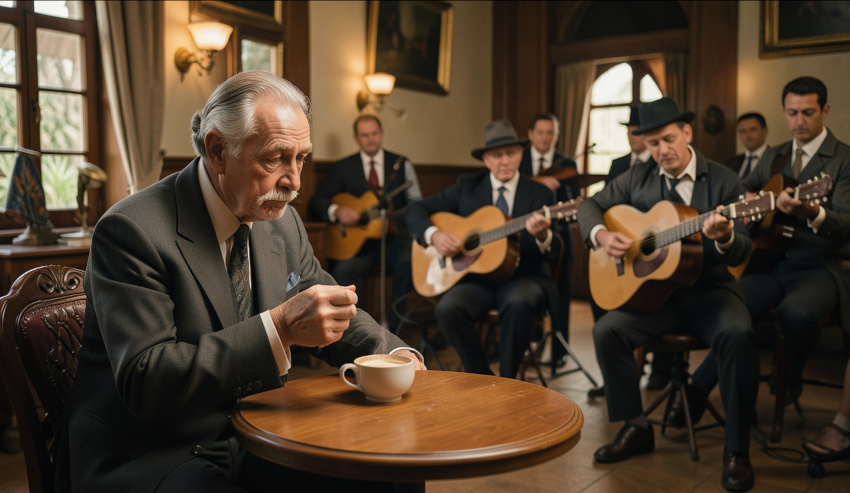
At first, guitar trios dominated nights in towns and cities. These musicians sang at windows during the era’s famous serenades. Over time, the rhythm grew and moved into grand ballrooms. That was how full orchestras began dressing bolero in formal attire. As a result, a rich music industry was born, attracting the attention of the entire continent.
The Geniuses of the Pen: Legendary Songwriters
Behind every song that makes us cry or remember an old love, there is always a brilliant mind. Writing a successful bolero is no simple task. It requires the ability to summarize an entire life drama in barely three minutes of music. Fortunately, the Dominican Republic had a gold mine of creators with extraordinary talent.
Rafael Solano and the Anthem of Hope
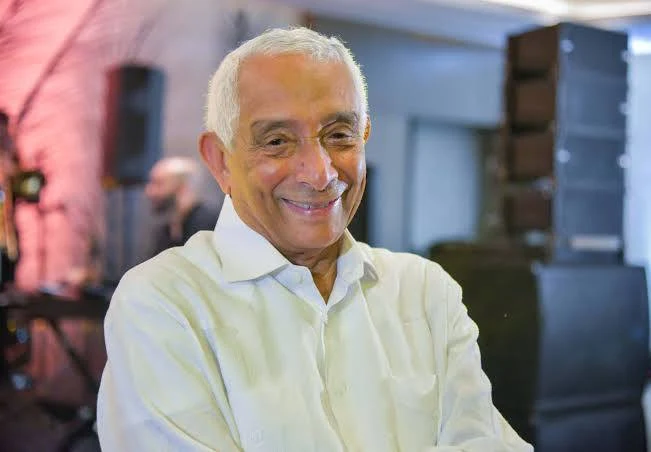
First of all, we must speak of the great maestro Rafael Solano. He is a central figure in our culture. In addition to being a virtuoso pianist, Solano possessed an incredible sensitivity for connecting with audiences. His crowning achievement is titled Por amor. This piece is not merely an ordinary bolero; it became the country’s true romantic anthem.
Likewise, the song crossed every imaginable border. Famous international artists recorded their own versions in many languages. The lyrics beautifully remind us that everything noble in this world is built with love. Without a doubt, Solano raised the standard of Dominican bolero through his modern arrangements and lyrics filled with pure poetry.
Mario de Jesús: The King of International Hits
Second, we find a humble man who conquered the hearts of millions of people across Latin America. His name is Mario de Jesús. Perhaps his name does not immediately sound familiar, but you certainly know his songs. He is the author of immortal classics such as Ese bolero es mío and Que se mueran de envidia.
His talent was so great that Mexico’s and Cuba’s most important singers lined up to record his songs. Mario de Jesús had a wonderful gift. He knew how to capture jealousy, betrayal, and passion with simple but powerful words. Because of this, his lyrics remain relevant today on digital music platforms.
Luis Kalaff: The Perfect Blend of Rhythm and Pain
Now it is time to remember the incredible Luis Kalaff. His style was somewhat different from that of the earlier songwriters. He loved combining the melancholy of love with a slightly more danceable, Caribbean rhythm. His most celebrated song around the world is Aunque me cueste la vida.
Indeed, this song describes a forbidden and dangerous love willing to challenge any barrier. Kalaff perfectly understood the tastes of ordinary people. For that reason, his songs were easy to sing and remember. He successfully proved that the pain of heartbreak can also be enjoyed on the dance floor.
Manuel Troncoso: The Poet of Wisdom
Finally, in this list of creators, we cannot forget maestro Manuel Troncoso. Experts often describe him as the psychologist of Dominican bolero. His lyrics were deeply thoughtful and analyzed human behavior in romantic relationships. His most beautiful songs are Sígueme and Anticipo.
However, his musical structures were not commercial or easy to sing. Troncoso required performers with great vocal and emotional ability. His legacy is refined music that invites reflection while leaving a knot in the throat. He gave bolero unparalleled artistic maturity.
The Immortal Voices That Made the World Fall in Love
A great lyric written on paper is only silent poetry. For that work to truly come alive, it needs a throat that suffers and a heart that beats strongly in front of a microphone. Fortunately, the Dominican Republic gave birth to singers with privileged voices and unique styles.
Alberto Beltrán: The Voice of Joyful Nostalgia
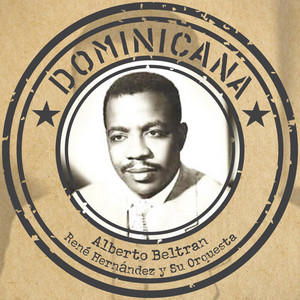
To begin with the singers, we must travel mentally back to the 1950s. During that period, a young Dominican named Alberto Beltrán decided to try his luck in the vibrant city of Havana, Cuba. He quickly joined the continent’s most famous orchestra: the legendary Sonora Matancera.
Consequently, this musical union was a blessing for Caribbean art. Beltrán recorded Aunque me cueste la vida, and the success was immediate and massive. His soft, clear voice, touched by a natural sadness, captivated the entire American continent. Thanks to his talent, international radio stations began looking toward Santo Domingo with respect.

Niní Cáffaro: The Gentleman of Vocal Elegance
Along this same path of excellence, we find Niní Cáffaro. His story is forever linked to the song Por amor. In 1968, Cáffaro performed the song at the First Dominican Song Festival. His performance was so perfect and powerful that it left the audience and judges completely astonished.
Of course, he won first place in the competition with complete ease. From that magical night onward, Niní Cáffaro became a symbol of national pride. His well-trained baritone voice demonstrated that Dominicans could sing with the same refinement and stature as any opera or ballad artist in the world.
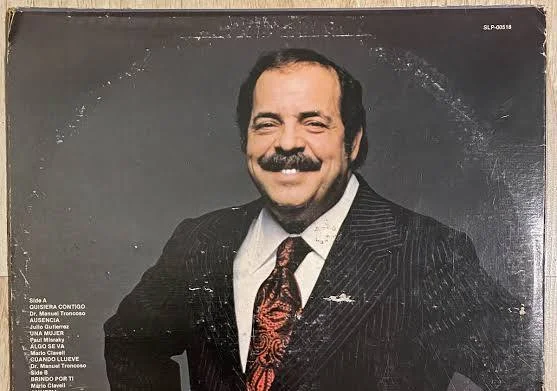
Lope Balaguer: The One and Only “Cantantazo”
Likewise, we must pay tribute to an unforgettable figure in Dominican nightlife. We are speaking of the great Lope Balaguer, whom the people affectionately nicknamed “El Cantantazo.” No one on the island performed boleros with the elegance and drama he brought to every phrase.
Lope Balaguer was a true specialist in the music of Manuel Troncoso and Rafael Solano. When he took the stage, the atmosphere transformed completely. He did not merely sing the notes; he acted out the story with his gestures and perfect pauses. As a result, he was the undisputed king of nightclubs during several golden decades.
Eduardo Brito: The Great Forgotten Pioneer
Finally, we must perform an act of historical justice and remember the great Eduardo Brito. He belonged to an earlier generation, shining brightly in the 1920s and 1930s. Brito had a baritone voice that seemed lifted from a fairy tale. He was the first Dominican to bring our popular music to the great theaters of New York and Europe.
Sadly, his life ended very early and under tragic circumstances because of health problems. Nevertheless, his courage opened the world’s doors for all the singers who came after him. Eduardo Brito demonstrated that Dominican talent had no geographical limits and that bolero could be a universal art of the highest order.
The Secret Thread Connecting Bolero and Bachata
It is very important to understand that Dominican bolero did not remain trapped in the past as a simple museum piece. In fact, its spirit is still alive among us every day, even if it sometimes goes by another name. Do you enjoy modern bachata by artists such as Romeo Santos or Juan Luis Guerra? If your answer is yes, then I am here to tell you that you are a bolero fan without knowing it.
In its beginnings, bachata was popularly known as “bolerito de guitarra,” or “little guitar bolero.” Musicians from humble neighborhoods took songs by Luis Kalaff or Mario de Jesús and played them with a faster, more streetwise rhythm. Thus, bachata is the direct daughter of Dominican bolero. The lyrics of sharp-edged love, jealousy, and weeping guitars passed naturally from one genre to the other. To know bolero is to understand the true origin of our music today.
A Feeling That Will Never Go Out of Style
In short, Dominican bolero is a mine filled with musical jewels that we should all listen to at least once in our lives. Its stories are our own stories of love and heartbreak. Through the lyrics of Solano, Kalaff, and Troncoso, we can better understand the rich identity of a people who know how to suffer for love, but also know how to sing with a smile on their lips.
Today, the world moves very quickly, and music changes constantly thanks to technology. However, when the heart breaks or true love knocks on our door, the fast songs on the radio are not enough. In those special moments, we always turn back to the classics. Because a good Dominican bolero never goes out of style; it simply waits patiently for the exact moment to make us tremble once again.