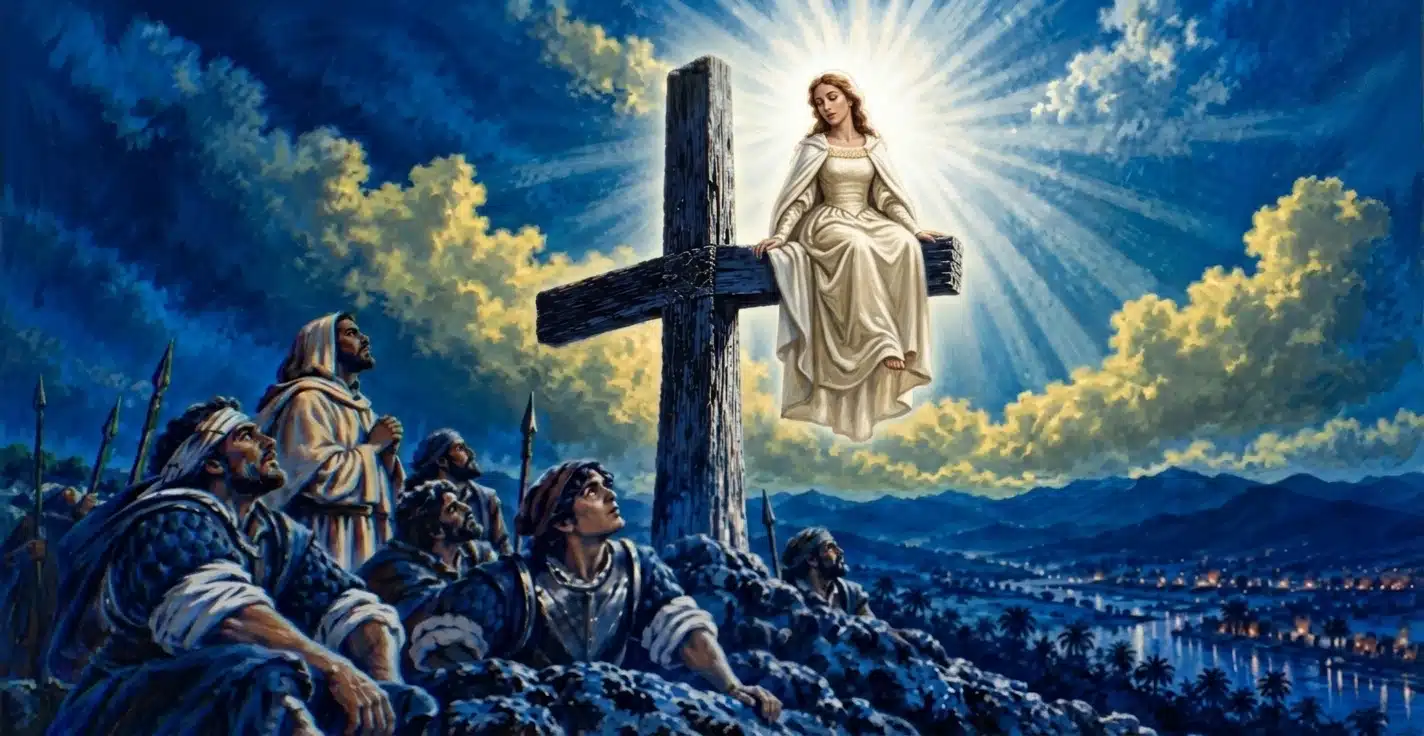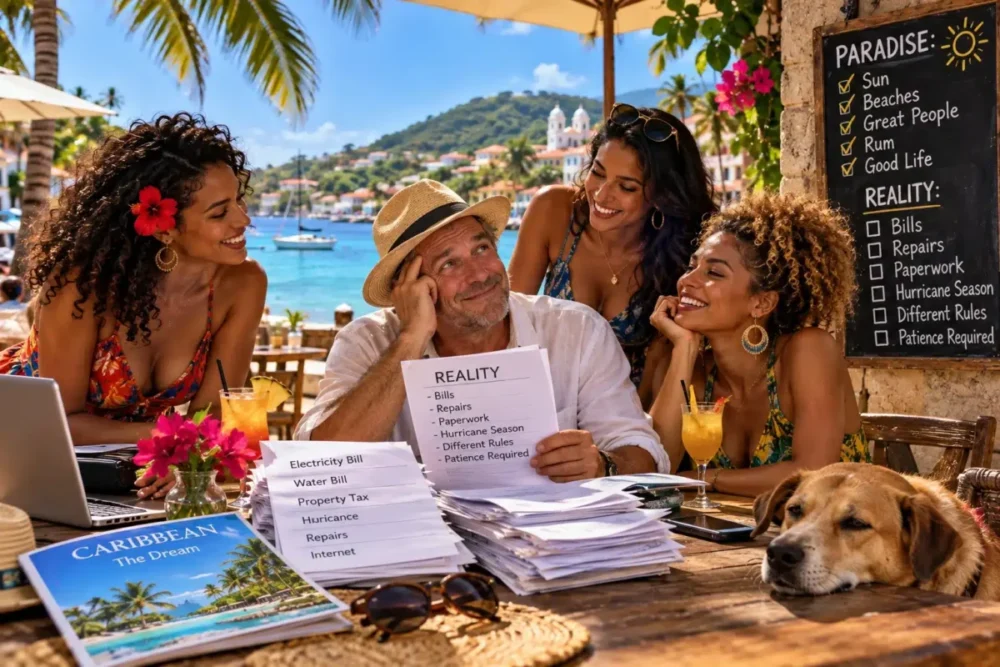
There is an almost biblical irony in this island’s fate. Jesus Christ said that the first would be last, and it seems that in the Caribbean we took the phrase literally. We love to boast that we are the cradle of everything in the New World, a catalog of colonial medals that we display with pride, but also with that little skeptical smile Dominicans wear when someone tries to sell us a fairy tale. The official script drilled into us at school is impeccable: the first cathedral, the first court, the first university. Walking through Santo Domingo’s Colonial Zone is, quite literally, listening to the stones complain beneath the weight of so much history.
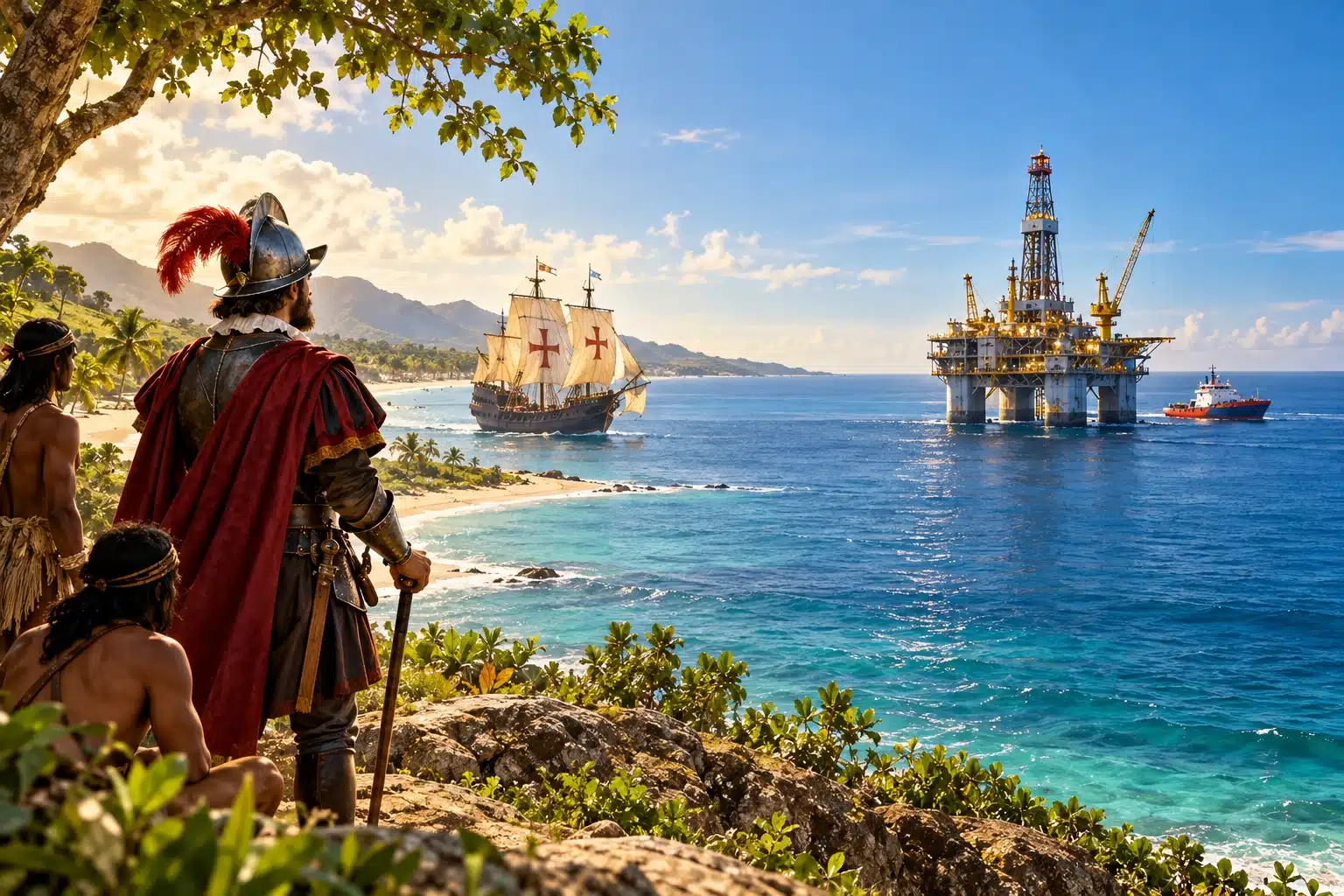
But let’s be honest: being the “first” was not an achievement of our own, but a mere geographic accident. Christopher Columbus stumbled upon us and decided that this piece of land would become an empire’s laboratory. And that is where the prophecy’s problem began: we were first in everything, yes, but also the first to pay the price for history’s broken dishes, becoming the guinea pig in a brutal experiment. We were America’s vanguard in the 16th century, only to watch the empire’s wealth and power move to Mexico or Peru, leaving us forgotten, like the last people in line.
That contradiction can be felt in every corner of our heritage. Consider the famous Real Audiencia, the first court in the Americas, created in 1511. The romantic version of history tells us that we brought justice to the continent, but the truth is more pragmatic: the Spanish Crown established that court to curb the unchecked ambition of Diego Columbus, the admiral’s son, who governed as if the island were his backyard. It was not born of an enlightened desire for equality, but because the conquistadors were already stabbing one another in the back over a handful of gold.
From those judges, stifled by the Caribbean heat as they tried to apply laws from across the sea while Creoles invented smuggling to survive, we inherited that very Dominican habit of looking for “the way around” the law. The famous Dominican “find me the angle” is not a modern flaw; it is a 500-year-old defense mechanism. From day one, we learned that written law came from very far away and almost never understood our daily reality.
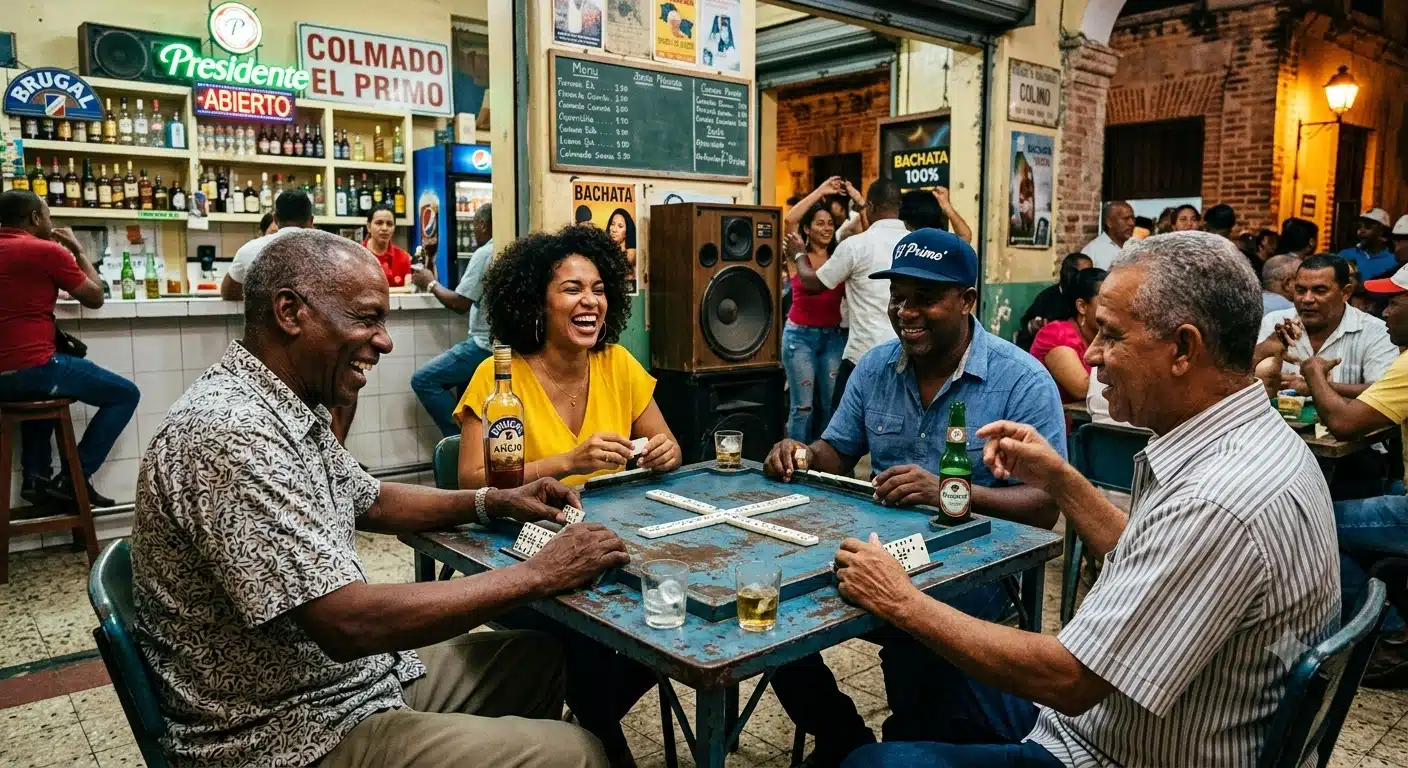
Education followed a similar pattern. In 1538, we received the first university in the Americas, Santo Tomás de Aquino. On paper, it was a scholastic beacon, but in practice its classrooms were reserved for the children of colonizers and clergy, who debated theology while the system devoured lives on the plantations. From that, we inherited an almost religious obsession with degrees. In this country, you call anyone on the street “licensed professional” or “doctor” simply as a courtesy, because historically the diploma hanging on the wall was the only thing separating you from misery. Yet the great irony is that true Dominican knowledge never remained locked inside those solemn classrooms; it moved onto the streets. We learned to theorize on street corners, solve geopolitical crises around a domino table, and philosophize with a glass of rum in hand.
In the end, this clash is best understood through music. The meeting of civilizations in Quisqueya was not a peaceful dialogue; it was a violent collision between European, Taíno, and African cultures. But the human spirit finds cracks through which to express itself, and our sonic identity was born from that painful friction. When African drums of resistance blended with Spanish strings, they did not do so in a conservatory, but in the secrecy of forbidden celebrations.
That is why the noise we complain about so much today in the colmados is not a lack of education; it is genetic inheritance. We learned to turn up the volume so that the drama of history—or the latest blackout—would not extinguish our joy.
Being first cost us dearly. We were the first territory exploited, the first stage for the slave trade, and the first forgotten by the empire we helped establish. But the true Dominican achievement does not lie in having opened the New World race; it lies in the incredible resilience of its people. They left us last in line, yes, but we turned the rubble of that first impact into one of the most vibrant, loud, and lively cultures on the planet.
And that, no history book can take away from us.