

🔬 Collector Quick-Fact
Artisanal amber extraction in the Dominican Republic is concentrated in the steep, geologically vulnerable clay layers of the Northern Cordillera, requiring strict environmental and structural safeguards. Unregulated shaft mining and bell pitting without timber reinforcement accelerate hillside erosion and siltation runoff into local river basins during heavy tropical rains. Ethical, permit-regulated sourcing verified by the Dominican Ministry of Environment enforces the use of sediment traps, occupational dust-filtration masks, and structural tunnel ventilation, while preserving the fragile, fossilized inclusion matrix of raw resin from physical shattering during extraction.
Dominican amber is famous around the world. It comes in many beautiful colors, including yellow, honey, red, green, and blue. Jewelry makers love these gems, and scientists value them as well. However, maintaining a healthy industry requires careful environmental protection. Unregulated mining can damage nature and affect local communities. Therefore, it is important to consider the role of sustainable practices in this trade.
For many years, people focused primarily on the beauty of these raw stones. Today, the global market is changing. Consumers and artisans want to know where their raw materials come from, and they want to support supply chains that respect the earth. Discussing environmental oversight is a positive step forward because it helps protect the land and ensures a stable future for the trade.
Supporting the Landscape of the Northern Cordillera
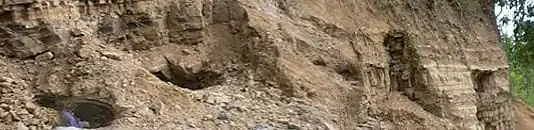
First, we must look at the mountains. Most Dominican amber comes from the steep hills of the Northern Cordillera. Miners search for amber in these unique geological areas. Without structured environmental guidelines, digging can affect the fragile hillsides.
For instance, clearing trees removes deep root systems that hold the soil together. When vegetation is removed carelessly, heavy tropical rains can cause soil erosion. Proper land management is therefore vital. It helps prevent landslides and protects nearby roads and villages. Responsible oversight ensures that the mountains remain stable while mining takes place.
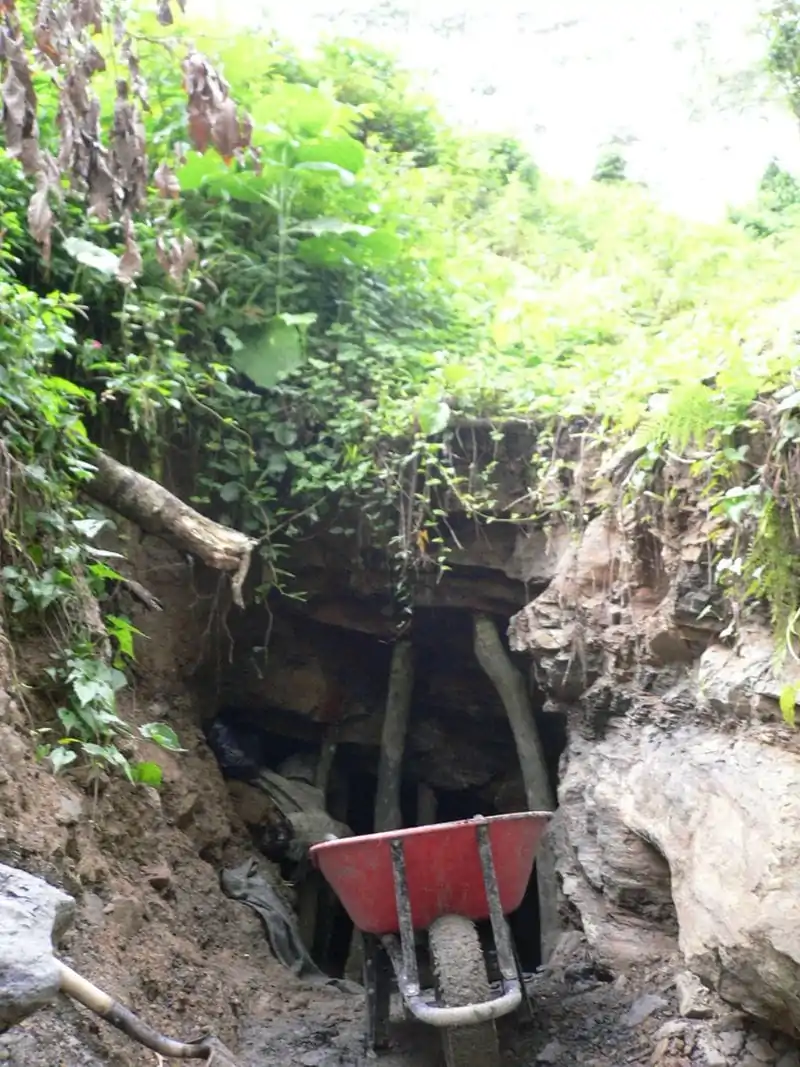
Protecting the forest also preserves local animal habitats. Many unique birds and plants live in these northern mountains. Sustainable mining practices aim to minimize the footprint on these ecosystems. Consequently, local biodiversity can thrive alongside traditional mining operations. We do not have to choose between nature and the stones.
Furthermore, keeping the land stable benefits local agriculture. Farmers rely on the surrounding soil to grow crops and feed their families. When mining sites are managed correctly, the land remains fertile and useful. Environmental care protects both the amber deposits and neighboring farms.
Preserving Vital Water Sources
In addition to land stability, proper oversight protects local water systems. Traditional mining involves moving large amounts of earth and clay. Without proper sediment management, loose mud can flow into nearby streams.
Heavy rains can consequently wash mining runoff into major rivers. This silt can cloud the water and affect aquatic life. Rural communities also depend on these rivers for their daily water needs. Implementing sediment traps is therefore a crucial safety step. It helps ensure that the water remains clean and clear for everyone downstream.
Managing soil runoff also helps prevent river blockage. When too much mud enters a stream, it can change the flow of the water and lead to unexpected flooding during the rainy season. Careful water management helps prevent property damage near riverbanks.
Moreover, clean water reduces economic stress for local towns. Communities do not have to spend extra money on complex water treatment. By keeping rivers clean at the source, we protect the health of the entire region. Sustainable practices keep the water safe for generations.
Prioritizing Safety and Well-Being for Miners
We must also think about the safety of the people who dig for these stones. Many artisanal miners work in remote areas to support their families. However, digging deep shafts requires structural knowledge and proper tools.
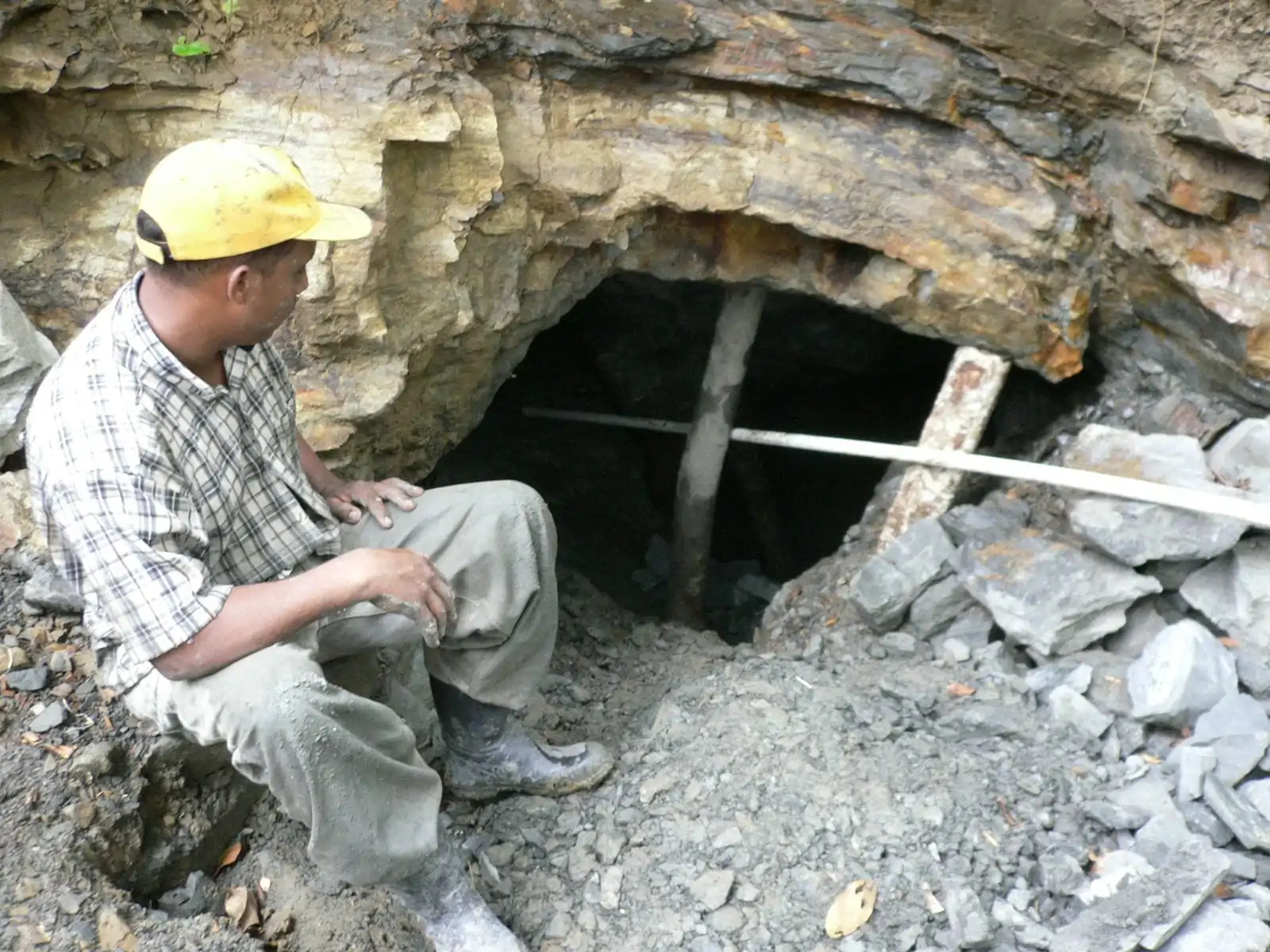
Unreinforced tunnels can go quite deep. Without modern safety standards or proper ventilation, these shafts become hazardous. Cave-ins and sudden flooding from rainstorms are real risks for independent workers. Supporting legal, permitted operations is therefore a matter of human safety. It ensures that miners have access to better equipment and safer working conditions.
Proper safety gear also protects workers’ health. Digging through clay creates thick dust over long hours. When mines follow safety protocols, workers use protective masks to safeguard their lungs. Structural oversight helps keep miners healthy over the long term.
Proximity to medical support is also important. Properly organized mining zones have better access to emergency care, reducing the risk of serious injuries becoming fatal. Encouraging formal standards is therefore the best way to protect human lives.
Preserving Inclusions for Science and History
Careful extraction preserves the scientific value of amber. Dominican amber is highly valued because it holds ancient secrets. Prehistoric insects, leaves, and feathers can be found trapped inside the raw resin.
Unfortunately, hurried or careless digging can ruin these treasures. When miners use aggressive tools without training, they can smash fragile pieces. Priceless fossils can consequently turn to dust before anyone can see them. Proper, patient mining techniques protect these specimens and preserve a clear window into Earth’s history.
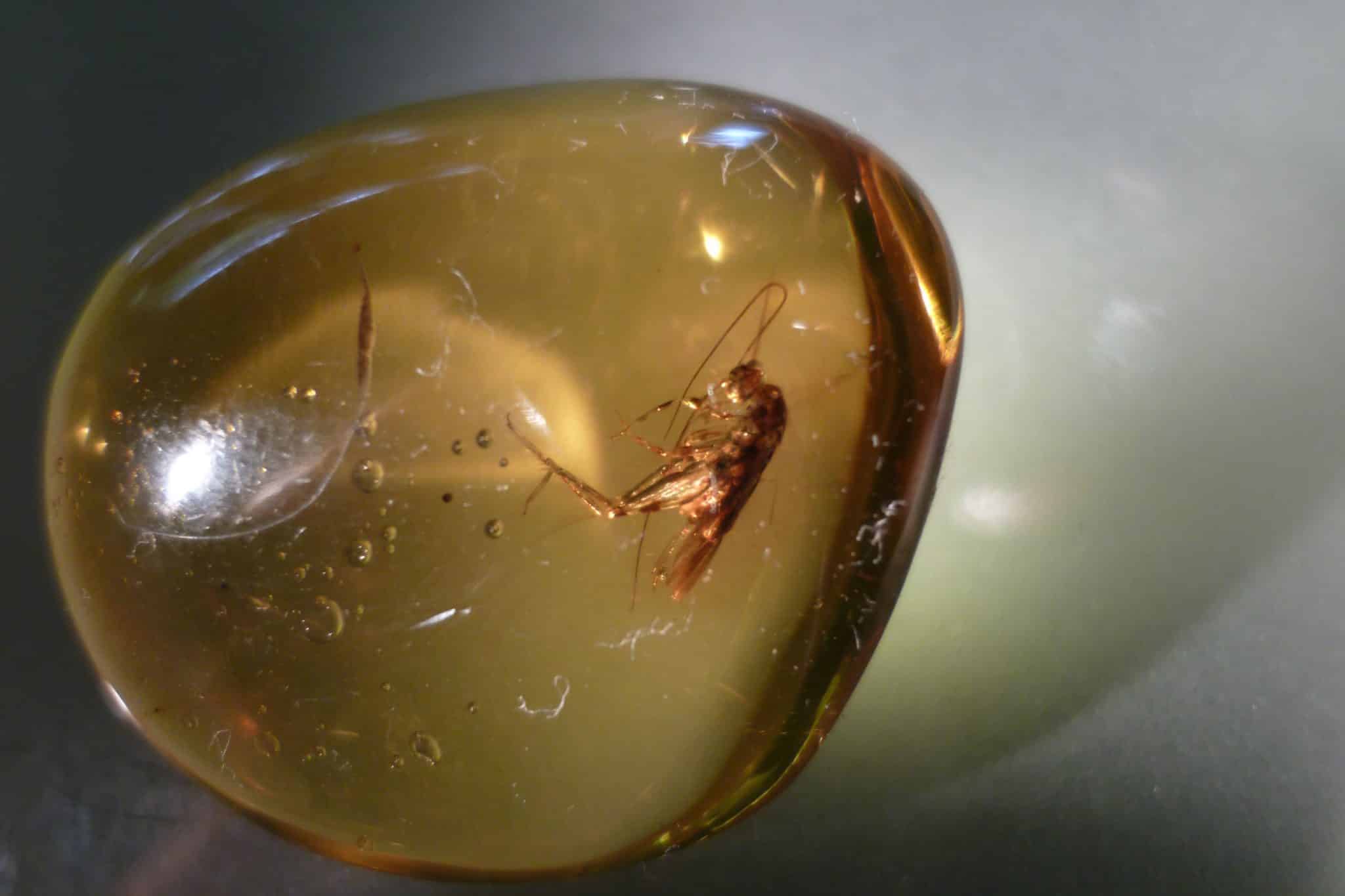
Structured mining also keeps important fossils within the proper channels. It allows local scientists and museums to study their own national heritage. When the trade is transparent, unique discoveries can be documented correctly. The country therefore benefits scientifically and culturally.
Ideally, every unique inclusion should be handled with absolute care. Specialized tools allow miners to extract the raw material safely. This preservation adds value to the entire market, from the scientist to the end buyer.
Why Every Color Benefits from Oversight
Some people believe that environmental management only matters for rare blue amber. This is not the case. All colors of amber come from the same fragile hillsides. Yellow, honey, red, and green stones are found in the same clay layers.
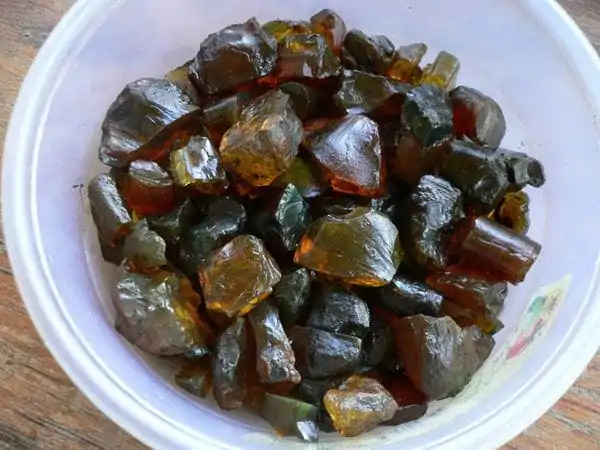
Sustainability practices therefore apply to the entire industry. A yellow specimen requires the same environmental care as a rare blue stone. We must value the land regardless of the color we are digging for. Every variety benefits from structured protection laws.
Yellow and honey amber make up the majority of the market. Because these colors are common, they represent the largest volume of extraction. Applying green mining standards to common amber consequently has the biggest positive impact on nature.
Everyone in the trade must share this responsibility. Buyers and sellers of all amber varieties should support good practices. The beauty of the stone is enhanced when it is sourced correctly. Accountability elevates the value of every shade.
Working Toward Long-Term Solutions
Fortunately, the future looks promising. The Dominican government establishes clear environmental laws for the extraction of natural resources. The Ministry of Environment works to regulate mining sites and issue official permits.
However, enforcing these rules in remote mountain areas is a continuous effort. The industry needs collaborative solutions to help miners transition to legal methods. When suppliers choose to source from permitted sites, they encourage a safer market. This cooperation helps the entire trade grow responsibly.
Education also plays a vital role in reform. Many local miners welcome information on safer, more efficient digging techniques. If they are shown sustainable ways to manage the land, they can secure a steady income. Training programs are therefore an excellent investment for the community.
As long as this support is not provided, miners leave the sites and seek other jobs in the big cities.
Furthermore, international interest in ethical sourcing provides important support. When global buyers ask for responsibly handled raw materials, it creates a positive incentive. Together, we can create a sustainable economic model for the entire region.
The Value of Responsible Sourcing
The choices made by raw-material buyers and retailers carry great weight. By choosing to work with verified, permitted sources, businesses help reduce demand for unregulated digging.
Local operations are consequently encouraged to meet official environmental standards. Responsible retailers can build strong relationships with legal cutting houses and local cooperatives. This ensures that raw amber is obtained through transparent channels. Business choices can therefore drive positive change across the supply chain.
Transparency also builds deep trust with customers. When clients buy raw amber, they appreciate knowing it was sourced with respect for nature. Sharing the story of responsible sourcing adds genuine value to the product. Professional standards protect both the environment and a business’s reputation.
Finally, ethical sourcing is becoming a standard expectation in the gemstone world. People value the natural history behind raw materials. A commitment to conservation creates a proud legacy for any business. Responsible practices therefore lead to a stronger, more respected market. Of course, all of this has costs that must be accepted by the final buyer.

Conclusion: Balancing Industry and Nature
Dominican amber is a magnificent gift from the earth. Yet its true value shines brightest when we protect the land and the people who find it. We can enjoy these beautiful raw stones while preserving forests and rivers. By supporting clear environmental rules, the Dominican Republic can safeguard its stunning landscape. The amber trade can then remain a proud and sustainable industry for many years. We can celebrate this ancient treasure while keeping nature safe.